Top 10 Must-Have Paint Supplies for Every Artist
Every artist knows that the right tools can make all the difference in their creative process. Whether…
Every artist knows that the right tools can make all the difference in their creative process. Whether you are a beginner or a seasoned professional, having the essential paint supplies at your disposal is crucial for achieving your artistic vision. At vividspalette.com, we understand the importance of quality materials, and we’ve compiled a list of the top ten must-have paint supplies that every artist should consider adding to their toolkit.
1. High-Quality Paints
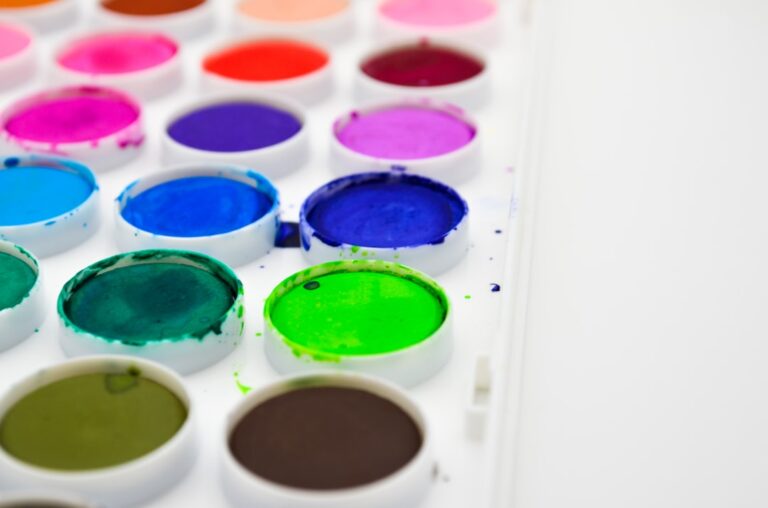
The foundation of any painting project lies in the quality of the paint you choose. Whether you prefer acrylics, oils, or watercolors, investing in high-quality paints will ensure vibrant colors and better coverage. Brands like Winsor & Newton and Golden offer a range of options that cater to different styles and preferences, allowing you to express your creativity without limitations.
When selecting paints, consider the pigment concentration, lightfastness, and consistency. These factors will affect how your artwork ages and how it appears under different lighting conditions. Always test your paints on a small canvas to see how they blend and layer before committing to a larger piece.
2. Versatile Brushes
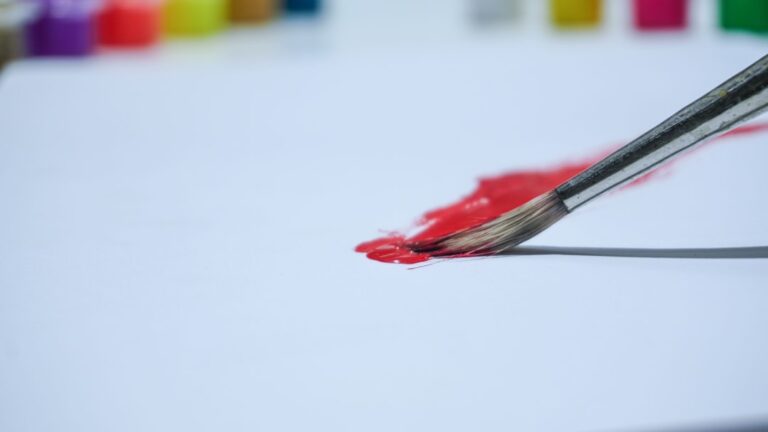
Brushes are an artist’s primary tool for applying paint, and having a variety of brushes can greatly enhance your technique. From fine detail brushes to large flat brushes, each type serves a unique purpose. Natural bristle brushes are excellent for oil paints, while synthetic brushes work well with acrylics and watercolors.
Investing in a good set of brushes will allow you to experiment with different strokes and textures. Remember to clean your brushes thoroughly after each use to maintain their shape and longevity. A well-cared-for brush can last for years, making it a worthwhile investment in your artistic journey.
3. Quality Canvas or Paper
The surface you paint on can significantly impact the final outcome of your artwork. For acrylic and oil painters, stretched canvases or canvas boards provide a sturdy base that can withstand heavy applications of paint. Watercolor artists, on the other hand, should opt for high-quality watercolor paper that can absorb water without warping.
When choosing your canvas or paper, consider the texture and weight. Heavier weight papers are ideal for wet techniques, while smoother surfaces are better for detailed work. Experimenting with different surfaces can lead to exciting discoveries in your painting style.
4. Palette for Mixing
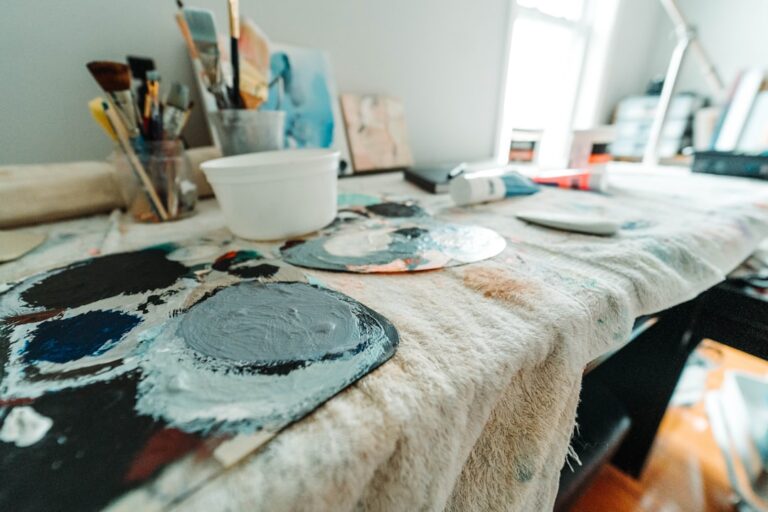
A good palette is essential for mixing colors and creating the perfect shades for your artwork. Whether you prefer a traditional wooden palette or a disposable paper palette, having a dedicated space for mixing will streamline your process. A well-organized palette can help you visualize your color choices and make adjustments as needed.
Consider using a palette with a white surface, as this allows you to see the true color of your paints. Additionally, having a palette knife on hand can help you mix colors more efficiently and create texture in your paint application.
5. Easel for Stability
An easel provides stability and comfort while you work, allowing you to focus on your creativity without worrying about your canvas tipping over. There are various types of easels available, from portable ones for outdoor painting to sturdy studio easels for larger works. Choosing the right easel depends on your painting style and the space you have available.
Investing in a quality easel can enhance your painting experience, providing you with the freedom to adjust the height and angle of your canvas. This ergonomic support can help prevent strain during long painting sessions, allowing you to work comfortably for hours.
Step-by-step plan:
Step 1: Assess your current paint supplies and identify what you need. Step 2: Research and select high-quality brands that fit your budget. Step 3: Purchase your chosen supplies from a reliable source like vividspalette.com. Step 4: Organize your workspace to make the most of your new tools.